
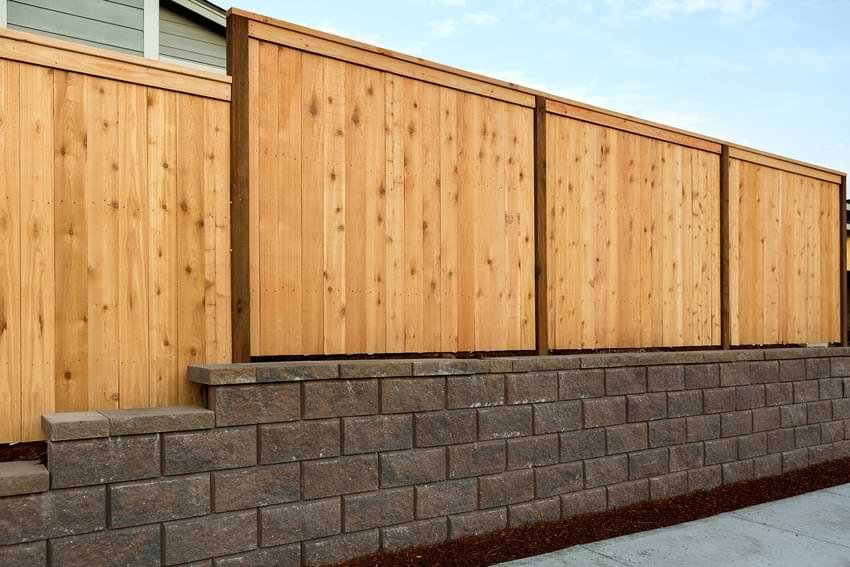
Winter always arrives faster than expected. Many business owners suddenly realize their outdoor spaces need attention, especially when walls, drainage areas, and landscaping features face freezing temperatures. Uncertainty around splash back material options can also make maintenance decisions feel confusing.
A little preparation now prevents expensive repairs later. With the right winter maintenance steps, your property remains stable, safe, and visually appealing. Smart care for your outdoor structures, including retaining wall landscaping, helps protect your investment and keeps your property ready for the seasons ahead.
How Do You Maintain Landscaping Retaining Walls During Winter?
Retaining wall landscaping should be inspected before and during winter to prevent structural damage from freezing temperatures and water buildup. Clearing debris, improving drainage, checking wall stability, and protecting nearby soil helps prevent erosion, shifting blocks, and costly repairs once spring arrives. Proper maintenance keeps outdoor structures stable and functional throughout the cold season.
Start With a Simple Wall Inspection
A careful inspection often reveals small issues before they become expensive problems. Freezing and thawing cycles can cause soil expansion that pushes against landscaping walls.
We always recommend checking stone retaining walls, block retaining walls, and other hardscape features before the cold fully sets in.
Look for signs such as:
- Small cracks or shifting blocks
- Soil erosion behind the wall
- Loose capstones
- Bulging areas in the structure
- Standing water near the base
Catching these early can prevent major structural repairs.
Clear Debris Before It Freezes
Leaves, dirt, and organic debris often collect around walls during fall. When winter moisture freezes, these materials trap water against the structure. Removing debris protects the integrity of retaining wall drainage systems and prevents unnecessary pressure against the wall.
We suggest clearing:
- Leaves from drainage outlets
- Dirt buildup near the wall bases
- Plant debris from nearby garden beds
- Sediment around landscape edging
Clean surfaces allow proper water flow and reduce freeze-related damage.
Pay Attention to Drainage
Water management is one of the most important elements in retaining wall landscaping. According to the American Society of Landscape Architects, drainage problems are one of the leading causes of wall failure. During winter, melting snow and ice increase water pressure behind walls.
To reduce this risk:
- Ensure drainage pipes remain open
- Check gravel backfill areas
- Keep weep holes clear
- Watch for pooling water near foundations
Proper drainage protects both the wall and the surrounding landscape design.
Protect Nearby Soil and Plants
Healthy soil around a wall supports its stability. When soil freezes and thaws repeatedly, it expands and contracts, sometimes weakening nearby landscaping structures. Adding mulch around landscaping beds helps regulate soil temperature and moisture levels.
You can also protect the area by:
- Reinforcing landscape grading to guide water away
- Installing erosion control solutions
- Trimming plants near the wall
- Securing loose soil along slopes
These small steps protect the surrounding hardscape and landscape features.
Check for Small Repairs Before Spring
A minor crack today can grow into a structural issue later. Winter weather often hides damage under snow or frozen soil. We recommend scheduling small repairs early, especially for concrete retaining walls, garden retaining walls, or commercial landscape retaining walls.
Replacing a loose block or sealing cracks now prevents larger repairs when the ground shifts in spring. Professional inspections also help confirm whether the wall’s structural support and drainage design remain intact.
Think Long-Term About Outdoor Stability
Well-maintained landscapes age more gracefully. Smart winter care ensures your outdoor structures remain reliable through changing seasons.
Consistent maintenance of retaining wall landscaping, drainage systems, and surrounding hardscape features keeps your property looking professional while protecting its structure. Business owners who prepare during winter often avoid major repairs when spring arrives.
Prepare Your Property with Expert Help
Winter maintenance doesn’t have to be complicated. With the right approach, your retaining walls and outdoor spaces remain safe, stable, and ready for the future.
If you want expert support in maintaining or upgrading your landscape structures, Nueva Era Landscaping can help evaluate your property and recommend the right solutions. Reach out today and take the next step toward stronger, longer-lasting outdoor spaces.